In today’s fast-paced world, where demands on our time seem to multiply by the minute, mastering the art of productivity has become more crucial than ever. As a life coach, I’ve seen countless clients struggle with overwhelm, stress, and the constant feeling of being behind. But what if I told you that the key to unlocking your full potential and achieving your dreams lies in how you schedule your day?
Ready to master your day?: Let’s discover 5 powerful scheduling Techniques to Skyrocket Your Productivity.” In this complete guide, we’ll explore five game-changing methods that have transformed the lives of CEOs, entrepreneurs, and high-achievers across the globe. These aren’t just time management tricks; they’re lifestyle changes that can lead to increased productivity, reduced stress, and a greater sense of accomplishment in both your personal and professional life.
Whether you’re a busy professional juggling multiple projects, a student striving for academic excellence, or someone simply looking to make the most of each day, these techniques will revolutionize how you approach your tasks and goals. Let’s dive in and discover how you can take control of your time and, ultimately, your life.
1. The Eisenhower Matrix: Prioritize Like a President
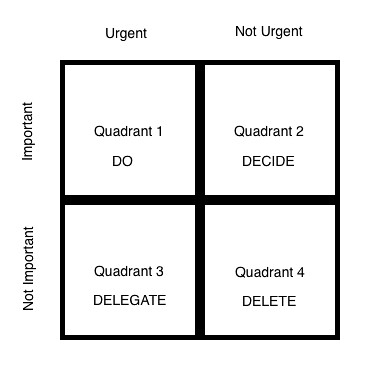
Imagine having the clarity and decisiveness of a world leader when tackling your to-do list. That’s the power of the Eisenhower Matrix, a tool developed by Dwight D. Eisenhower, the 34th President of the United States. This method is not just about getting things done; it’s about doing the right things.
How It Works:
The Eisenhower Matrix categorizes tasks into four quadrants based on their urgency and importance:
- Urgent and Important: Do these tasks immediately.
- Important but Not Urgent: Schedule these tasks.
- Urgent but Not Important: Delegate these tasks if possible.
- Neither Urgent nor Important: Eliminate these tasks.
Implementing the Eisenhower Matrix:
- List all your tasks for the day or week.
- Assess each task’s urgency and importance.
- Place each task in the appropriate quadrant.
- Take action based on the quadrant: do, schedule, delegate, or eliminate.
The Productivity Boost:
By using the Eisenhower Matrix, you’ll find yourself focusing on what truly matters. You’ll reduce stress by tackling important tasks before they become urgent crises. Moreover, you’ll free up mental space by eliminating or delegating tasks that don’t contribute to your long-term goals.
One of my clients, Sarah, a marketing executive, was constantly putting out fires and feeling like she never made progress on her big projects. After implementing the Eisenhower Matrix, she reduced her overtime hours by 50% and finally launched the campaign she’d been dreaming about for months.
2. The Pomodoro Technique: Harness the Power of Focused Bursts
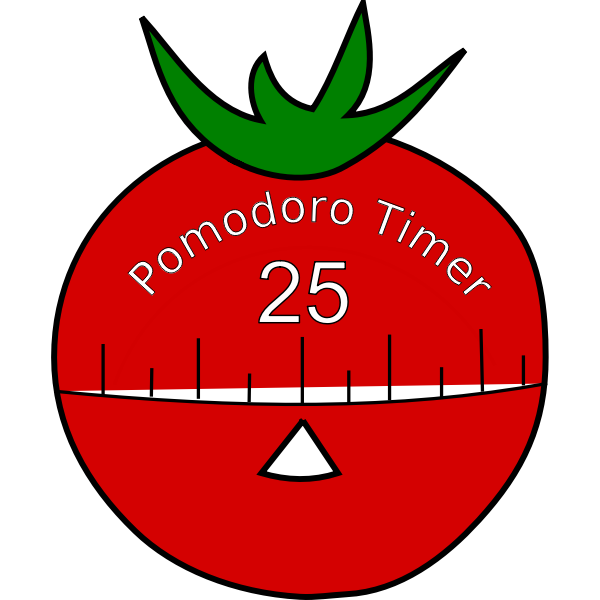
In our age of constant distractions, the ability to focus deeply is a superpower. Enter the Pomodoro Technique, a method that turns your workday into a series of focused sprints, allowing you to accomplish more in less time.
The Pomodoro Process:
- Choose a task to work on.
- Set a timer for 25 minutes (one “Pomodoro”).
- Work on the task with full concentration until the timer rings.
- Take a short 5-minute break.
- After four Pomodoros, take a longer break of 15-30 minutes.
Why It Works:
The Pomodoro Technique leverages our brain’s ability to focus intensely for short periods. It also provides regular breaks, preventing burnout and maintaining high energy levels throughout the day.
Maximizing the Pomodoro Technique:
- Use a dedicated Pomodoro timer app to stay on track.
- Customize the intervals if 25 minutes doesn’t suit your work style.
- Use your breaks for quick stretches or mindfulness exercises to refresh your mind.
One of my clients, Alex, a freelance writer, struggled with writer’s block and procrastination. After adopting the Pomodoro Technique, he increased his daily word count by 75% and reported feeling more energized at the end of each workday.
3. The 2-Minute Rule: Conquer Small Tasks, Win Big

Sometimes, it’s the little things that bog us down. The 2-Minute Rule, popularized by productivity guru David Allen, is a simple yet powerful way to keep the small stuff from piling up and overwhelming you.
The 2-Minute Rule Explained:
If a task will take two minutes or less to complete, do it immediately rather than scheduling it for later.
Implementing the 2-Minute Rule:
- As you go through your day, identify quick tasks that can be done in two minutes or less.
- Instead of adding these to your to-do list, complete them on the spot.
- For tasks that will take longer, add them to your schedule or task list.
The Psychology Behind It:
The 2-Minute Rule works because it capitalizes on the momentum of the moment. It prevents small tasks from accumulating and becoming a source of stress. Plus, the satisfaction of completing these quick tasks can boost your motivation for tackling bigger challenges.
Examples of perfect 2-Minute Rule tasks:
- Responding to a simple email
- Filing a document
- Making a quick phone call
- Tidying up your workspace
My client Emma, a busy mom and entrepreneur, found that the 2-Minute Rule helped her maintain a cleaner home and a more organized business. She no longer felt overwhelmed by the little things, which gave her more energy to focus on growing her business and spending quality time with her family.
4. The Ivy Lee Method: Simplify Your To-Do List for Maximum Impact
In a world that often glorifies multitasking and endless to-do lists, the Ivy Lee Method stands out for its simplicity and effectiveness. This method, created by productivity consultant Ivy Lee in the early 20th century, focuses on doing fewer things, but doing them exceptionally well.
The Ivy Lee Method Step-by-Step:
- At the end of each workday, write down the six most important tasks you need to accomplish tomorrow.
- Prioritize these six tasks in order of importance.
- When you start work the next day, concentrate only on the first task. Work until the first task is finished before moving on to the second task.
- Approach the rest of your list in the same fashion. At the end of the day, move any unfinished items to a new list of six tasks for the following day.
- Repeat this process every working day.
Why It’s So Powerful:
The Ivy Lee Method forces you to prioritize ruthlessly. By limiting yourself to six tasks, you ensure that you’re always working on what’s truly important. It eliminates the time wasted on deciding what to do next and reduces the cognitive load of managing a large to-do list.

A Success Story:
Charles Schwab, the steel magnate, was so impressed with the results of the Ivy Lee Method that he reportedly paid Lee $25,000 (equivalent to over $400,000 today) for this advice. The method significantly boosted productivity across Schwab’s entire company.
One of my clients, Michael, a tech startup founder, was struggling with the chaos of running a growing company. After implementing the Ivy Lee Method, he found that he was making progress on important strategic initiatives that had been neglected for months. His team also reported feeling more focused and less stressed.
5. The 1-3-5 Rule: Balance Your Workload for Optimal Results
The 1-3-5 Rule is a simple yet effective method for organizing your daily tasks. It provides a balanced approach to productivity, ensuring that you make progress on big projects while still handling medium and small tasks.

How the 1-3-5 Rule Works:
Each day, you aim to accomplish:
- 1 big thing
- 3 medium things
- 5 small things
Implementing the 1-3-5 Rule:
- At the start of your day, identify your one big task, three medium tasks, and five small tasks.
- Write them down in order of priority.
- Focus on completing your big task first, then move on to the medium and small tasks.
The Benefits:
- Ensures a balanced workload
- Prevents neglect of important but non-urgent tasks
- Provides a clear structure for daily accomplishments
- Allows for flexibility while maintaining focus
Real-Life Application:
Here’s an example of how the 1-3-5 Rule might look in practice:
Big Task:
- Complete the first draft of the quarterly report
Medium Tasks:
- Prepare for tomorrow’s team meeting.
- Review and provide feedback on marketing materials
- Update the project timeline and communicate changes to stakeholders.
Small Tasks:
- Schedule a dentist appointment
- Respond to five important emails
- Update personal budget spreadsheet
- Order office supplies
- Back up computer files
My client Lisa, a product manager, found that the 1-3-5 Rule helped her maintain a bird’s-eye view of her projects while still attending to the details. She reported feeling more in control of her workload and less likely to be blindsided by forgotten tasks.
Integrating These Methods into Your Life
Now that we’ve explored these five powerful scheduling techniques, you might be wondering how to integrate them into your daily life. The key is to experiment and find what works best for you. Here are some tips to get started:
- Start with one method: Don’t try to implement all five techniques at once. Choose the one that resonates most with you and give it a try for a week or two.
- Combine methods: As you become comfortable with one technique, try combining it with another. For example, you might use the Eisenhower Matrix to prioritize your tasks, then apply the 1-3-5 Rule to structure your day.
- Be patient with yourself: Changing habits takes time. If you slip up, don’t beat yourself up. Simply start again the next day.
- Reflect and adjust: At the end of each week, take a few minutes to reflect on what worked well and what didn’t. Adjust your approach accordingly.
- Use technology wisely: There are many apps and tools designed to support these productivity methods. Find ones that work for you, but don’t let managing the tools become a task in itself.
- Share your journey: Tell friends, family, or colleagues about the methods you’re trying. Having accountability can boost your commitment to the new habits.

Remember, the goal of these techniques is not to make you a productivity robot, but to help you create space in your life for what truly matters. As you implement these methods, pay attention to how they affect not just your work output but also your stress levels, job satisfaction, and overall quality of life.
Conclusion: Your Journey to Mastery Begins Now
Congratulations! You’ve just been introduced to five powerful scheduling techniques that have the potential to transform your productivity and, by extension, your life. The Eisenhower Matrix, Pomodoro Technique, 2-Minute Rule, Ivy Lee Method, and 1-3-5 Rule are more than just time management strategies; they’re tools for taking control of your day and moving closer to your goals with every passing hour.
Remember, productivity isn’t about doing more; it’s about doing what matters most. These techniques will help you cut through the noise, focus on your priorities, and make consistent progress towards your dreams.
As a life coach, I’ve seen these methods work wonders for people from all walks of life. From busy executives to overwhelmed parents, from ambitious students to retirees embarking on second careers – everyone can benefit from a more intentional approach to their day.
The journey to mastering your time and boosting your productivity starts with a single step. Why not take that step today? Choose one of these techniques and commit to trying it for the next week. You might be amazed at what you can accomplish when you approach your day with intention and focus.
Here’s to your success, productivity, and a life well lived. The power to change your day—and your life—is in your hands. What will you do with it?